 English
 English
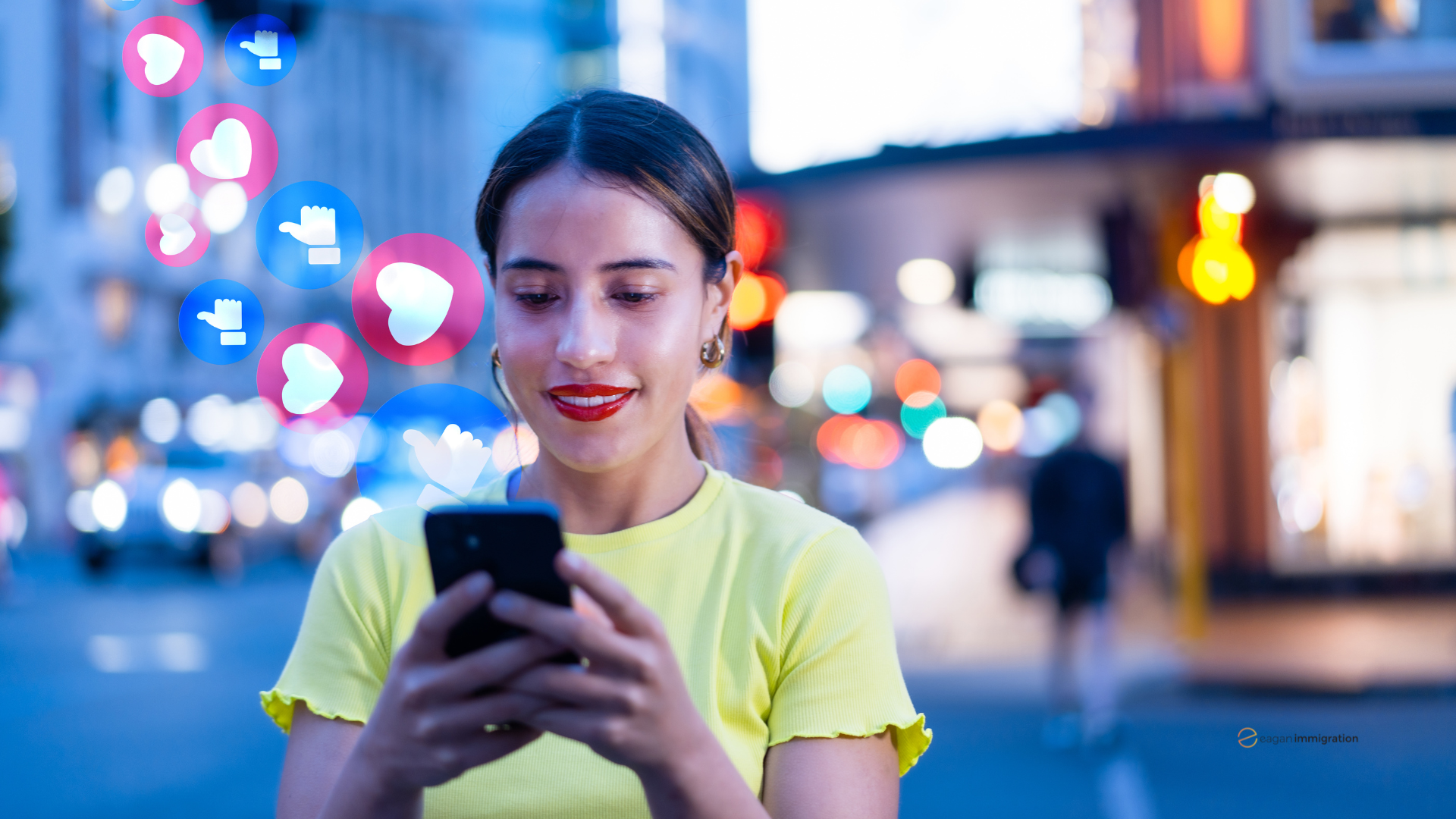
Social media is no longer just for sharing moments: it can play a decisive role if you are starting immigration procedures in the United States. In 2025, U.S. Citizenship and Immigration Services (USCIS) has strengthened its standards for reviewing social media activity. I will explain what they are looking for now, how it could affect you, and what you should do to protect your case.
Those applying for immigration benefits (such as naturalization, permanent residency, asylum, and special permits) include their social media identifiers (“handles”) and platform names.
USCIS updated the Policy Manual to include that “anti-American” activities, offensive speech, and expressions of support for terrorist organizations or extremist ideologies will be considered negative factors strong when exercising immigration discretion.
This proposal affects nine common forms (for example, N-400, I-485, I-589) and could involve more than 3.5 million applicants per year.
Additionally, starting in April 2025, USCIS also began reviewing anti-Semitic content: posts supporting designated terrorist groups such as Hamas or Hezbollah, anti-Jewish hate messages, or suspicious affiliations. This new criterion has become a significant negative factor when USCIS exercises its discretion in deciding whether to grant or deny certain benefits.
Some of the items that USCIS may review include:
Your public posts, comments, photos, and stories.
“Likes”, followers, accounts you follow.
Declared social media handles and platform names.
Content that promotes extremist ideologies, hate speech, or affiliations with terrorist groups.
Consistency: that what you say or show on social media matches what you declare on forms (employment, relationships, criminal history, employment, geographical location, etc.).
Past activities that could be interpreted as “anti-American,” anti-Semitism, or support for terrorist organizations; these may be considered negative factors in discretionary decisions.
If USCIS determines that your social media posts reveal contradictions, omissions, or controversial affiliations, it may deny your application, deny you permanent residency or citizenship, or even revoke existing visas.
Old content may resurface: past posts, “likes,” or interactions you’ve had.
Public posts carry more risk and may be captured (screenshot), archived, or reviewed without your explicit permission.
Offensive messages, hate speech, and explicit support for terrorist or extremist organizations can be a decisive factor working against an applicant.
Activities that are anti-Semitic, anti-American, or that promote violence are under special scrutiny.
Here are some specific actions:
| Action | What exactly to do |
|---|---|
| Manage privacy | Set your accounts to “private”, review who can see your posts, and block unknown accounts. |
| Review and clear your history | Delete or edit old posts that could be misinterpreted; remove likes or content that could be controversial. |
| Beware of sensitive content | Avoid posts that touch upon extremist ideology, violence, anti-Jewish speech, conspiracies, or support for terrorist groups. |
| Use your real name | Accounts with real names help prevent confusion; aliases often don't prevent your profile from being identified. |
| Avoid misinterpreted sarcasm | Humor, irony, or memes can be taken out of context; what is a joke to you could be taken literally. |
| Keep personal and professional profiles separate | If you can, keep one for your friends/family and another for work/formal use. |
| Educate those around you | Let family or friends know to avoid tagging you in compromising posts. |
| Consult a lawyer | If you have questions, or if you have already received an official notice, an immigration attorney can review your specific case. |
Social media is no longer just a personal space: Under the 2025 regulations, what you post, what you follow, and how you interact can directly influence whether USCIS approves or denies an immigration benefit. To reduce risks:
Watch what you post on the internet.
Make sure your social media profiles are consistent with what you report on your immigration forms.
Carry out a “digital cleanup”.
And most importantly: if you have doubts, seek specialized legal advice.
The information contained in this article is of a general nature and is for educational purposes. It does not constitute legal advice or create an attorney-client relationship. Every immigration case is unique and may vary depending on your circumstances. To receive legal guidance tailored to your specific situation, contact a qualified immigration attorney.
Call us at 202-709-6439 o click here for a consultation directly with attorney Lauren Eagan.