 English
 English
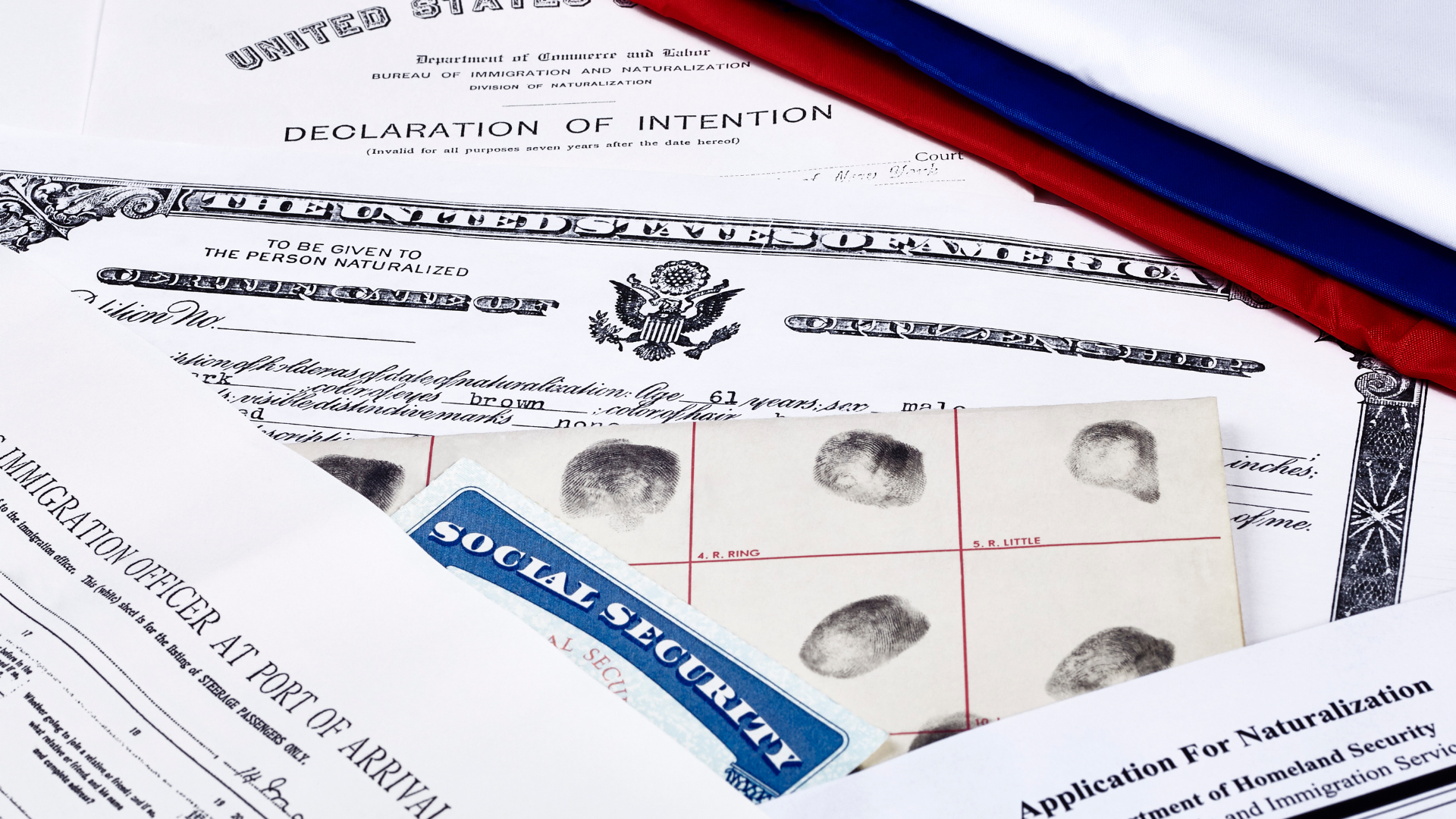
When a lawyer or a person wants to know all the information the government has on your immigration history, the first step is always to request a FOIA. These initials mean Freedom of Information Act (Freedom of Information Act), a federal law that gives anyone the right to request United States government records. In the immigration context, FOIA is a fundamental tool for understanding your legal situation and properly planning your case.
Through a FOIA, you can access the documents and records that the government has on you in different agencies, such as:
A FOIA request can include information such as:
Many immigrants do not know that they may have deportation orders or past immigration records that could affect your new requests. A FOIA allows you to know all that information before to present a new case, which helps to avoid errors or denials. In Eagan Immigration, we always request a FOIA before moving forward with a complex case, because this document:
You can request a FOIA yourself or with the help of an immigration lawyer. Depending on the agency, it can take anywhere from a few weeks to several months.
You have two options:
Online:
You can make your request directly on the official portal of Department of Homeland Security (DHS):
https://www.dhs.gov/foia
There you select the agency (USCIS, ICE, CBP, etc.) and upload the documents digitally.
By mail:
If you prefer to do it by mail, send your form or letter to the address of the corresponding office (for example, the FOIA/USCIS office).
Once submitted, the applicant receives a case number for tracking purposes.
The FOIA not only shows your history; it also reveal opportunities. For example:
In summary, the FOIA is like a complete X-ray of your immigration history. With that information, your attorney can plan your defense or application with strategy and certainty. Requesting a FOIA is one of the most important steps before filing any immigration case. Knowing what the government knows about you can make the difference between an approved or denied case.
If you still do not know what your complete immigration status is, in Eagan Immigration We can help you request your FOIA and review your history in detail to find the best legal options for you. Call us at 202-709-6439 o click here for a consultation directly with attorney Lauren Eagan.
This content is for informational purposes only and does not constitute legal advice.