


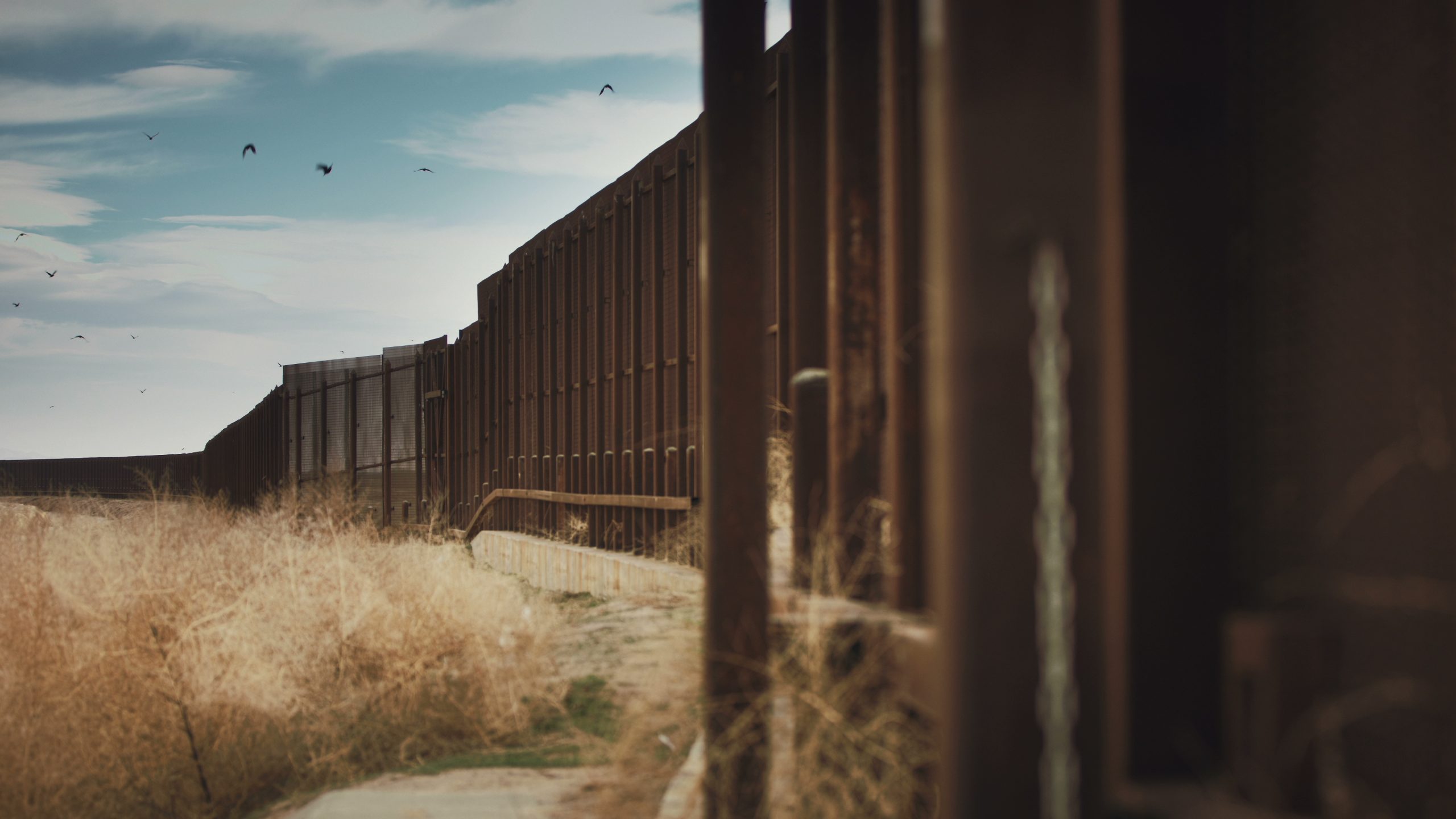
President-elect Donald Trump has announced his intention to implement a mass deportation operation once he assumes office again on January 20. This plan, which seeks to deport millions of immigrants living in the United States without legal status or with temporary protections, poses serious logistical, social, and economic challenges. Furthermore, it threatens to tear families apart and generate significant impacts on key sectors of the economy. This article explores which immigrant groups could be the most affected and the potential consequences of these policies.
Where unauthorized immigrants live
In 2022, it was estimated that approximately 11 million people lived in the United States without legal status. This number may have increased to between 13 and 14 million in 2024, according to some analysts. The majority of these immigrants reside in states such as California, Texas, Florida, and New York. California tops the list with 2.2 million undocumented immigrants, followed by Texas with 1.8 million and Florida with 936,000.
Almost half of these immigrants live in “sanctuary states” like California and New York, which have laws or policies that limit cooperation with federal immigration authorities. However, many also reside in sanctuary cities or counties within states that do not have state-level laws, such as New Mexico. These areas could be major tension points in the implementation of Trump's plans.
Main countries of origin
Almost half of undocumented immigrants come from Mexico, with 4.8 million people in 2022, according to the Department of Homeland Security (DHS). Other prominent countries include Guatemala (750,000), El Salvador (710,000), and Honduras (560,000). In addition, the past year has seen a significant increase in immigrants from countries such as Cuba, Haiti, Nicaragua, and Venezuela, who have arrived through humanitarian programs implemented during the Biden administration.
Trump has indicated that he plans to end these humanitarian programs, which could leave millions of people in a situation of immediate vulnerability.
Impact on workers and the economy
Most immigrants without legal status are of working age, with 8.7 million of them between the ages of 18 and 54. Many fill essential roles in sectors such as agriculture, construction, hospitality, and caregiving. In the agricultural sector, it is estimated that around 283,000 workers lacked legal status in 2022, with approximately half of them in California. Some government estimates place the total number of agricultural workers without legal status closer to one million.
Agricultural organizations have warned that mass deportations could destabilize the US food supply chain. The loss of essential workers would not only affect the economy, but could also drive up food prices and cause shortages.
Mixed-status families
A particularly sensitive aspect of these policies is the impact on mixed-status families, where at least one member lacks legal status. According to FWD.us, an immigrant advocacy organization, up to 10.1 million people without legal status live with US citizens or permanent residents. Among them, at least 5.1 million are US citizen children with at least one parent without legal status.
Mass deportations could tear these families apart, forcing many children to face the possibility of growing up without one or both parents. Alternatively, families might choose to migrate together to the deported parent's country of origin, which would drastically change their lives.
Temporary Protections at Risk
Among immigrants without legal status are also more than one million people with Temporary Protected Status (TPS) and approximately 535,000 “Dreamers” covered under the Deferred Action for Childhood Arrivals (DACA) program. TPS provides relief from deportation and work permits to individuals whose countries of origin have been deemed unsafe due to armed conflicts, natural disasters, or other extraordinary circumstances.
During his first term, Trump tried to end most TPS and DACA programs, but faced a series of lawsuits that blocked these efforts. However, he has indicated that he plans to try again to end these protections, putting hundreds of thousands of people at risk.
Legal and Social Implications
Trump’s mass deportation plans will also face a series of legal challenges. Areas with sanctuary laws could resist federal initiatives by refusing to cooperate with immigration authorities. In addition, the courts will likely play a crucial role in addressing the inevitable lawsuits that will arise.
Socially, these policies could exacerbate divisions within local communities, fueling fear and distrust among immigrants. They could also generate massive protests and mobilize human rights groups in defense of immigrants.
Key aspects to consider
Trump's proposed mass deportation plans have the potential to profoundly change the demographics, economy, and social fabric of the United States. While the stated goal is to enforce immigration laws, the unintended consequences could be devastating for millions of families, key economic sectors, and entire communities. At a time of such uncertainty, it is crucial that affected individuals seek information and legal support to protect their rights and plan for the future.
Call us at 202-709-6439 o click here for a consultation directly with attorney Lauren Eagan.
This information is for educational purposes only and does not constitute legal advice.