


by Jesse Young
USCIS has announced that it will increase its fees for the first time in several years. For most types of applications, this means an increase of several hundred dollars. However, although prices in general have risen, the good news is that many types of cases are now eligible for fee waivers, including cases Violence Against Women Act, T Visa and U Visa that we specialize in here in Eagan.
That means that, for this type of application submitted after April 1, Applicants will pay zero dollars in filing fees. Want to know more? Read on for a quick overview of USCIS filing fees and the changes coming next month (or skip to the end if you just want to read about the new fee waivers). Let's start by answering some common questions.
What are the USCIS filing fees?
Most USCIS applications require a filing fee, which generally costs hundreds of dollars. These fees are usually required to be submitted along with the relevant forms when applying for immigration benefits. The fees vary depending on the type of application or petition being filed.
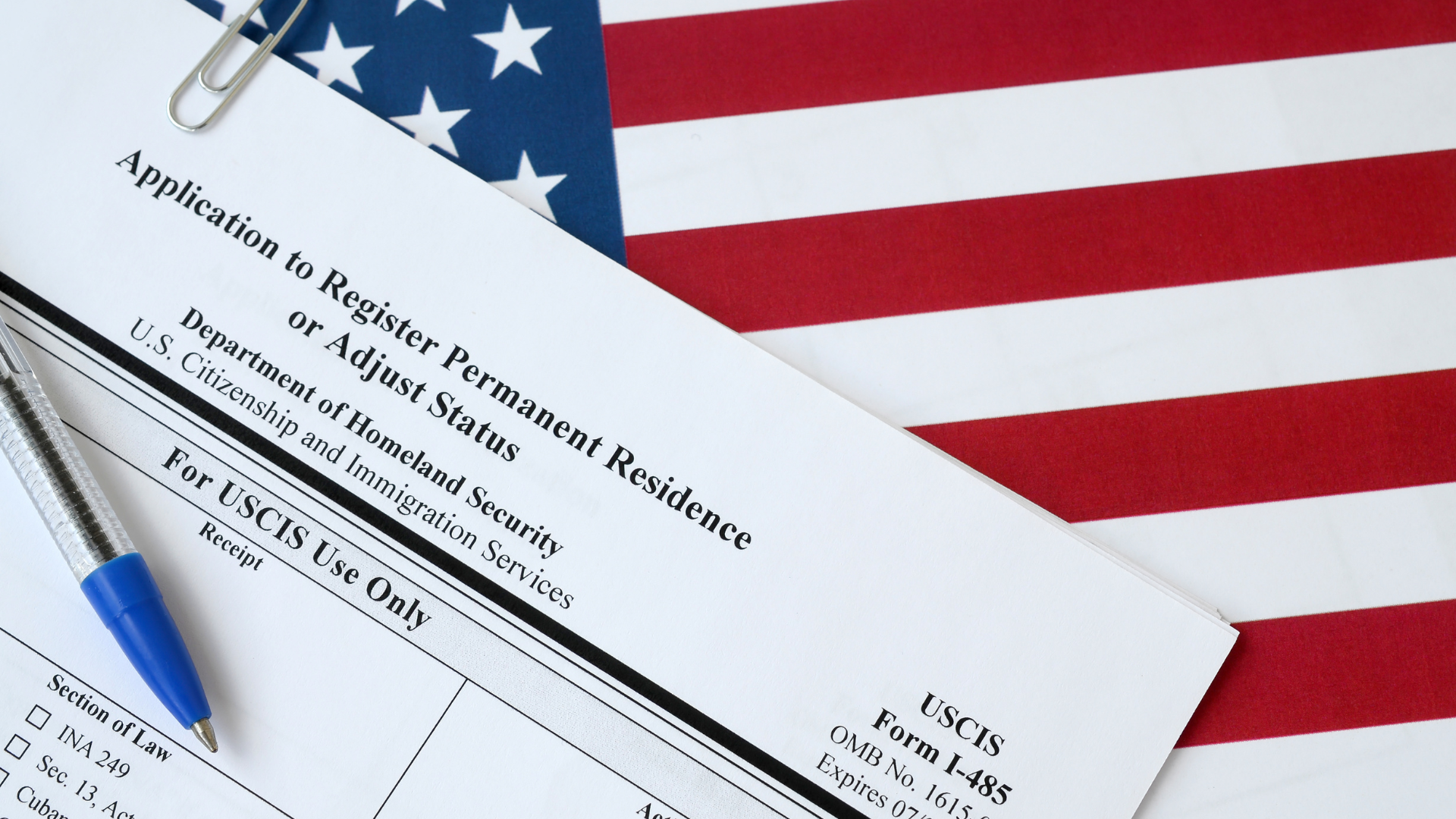
To give an example of how this actually works, someone who applied in 2023 to adjust their immigration status through their spouse could expect to pay $1,760 in filing fees: $535 for Form I-130 (Petition for Alien Relative), $1,140 for Form I-485 (Application to Register Permanent Residence or Adjust Status), plus a biometric fee of $85 (when you go to have your fingerprints taken).
Under the new filing fee schedule that will take effect on April 1, this same applicant will now have to pay $ 2,115: $ 675 for Form I-130 and $ 1,440 for Form I-485 (all new fees include the cost of biometrics).
Why does USCIS need to change its filing fees?
USCIS, unlike most federal agencies, is funded almost entirely by fees, which means that the majority of its operating costs come from filing fees, rather than congressional appropriations. According to USCIS, the 2016 fee schedule no longer covers the operating costs of processing the millions of applications that USCIS receives each year, which leads to delays and long wait times for applicants. Therefore, while it is inconvenient that the fees are increasing, this should mean less time between when you file your application and when you receive a decision.
When was the last time USCIS changed its filing fees?
The USCIS's latest new fee schedule It took effect more than seven years ago, on December 23, 2016. In the years since then, USCIS has attempted to raise filing fees once, in 2020. That year, however, widespread opposition and legal challenges prevented the new fee schedule from taking effect.
How much will the filing fees go up?
The final rule The increase announced on January 30 limits the rate hike to no more than 26%. Please note that all new rates include the cost of biometric data (previously $ 85), so the effective price increase is significantly less than 26%.
Below is a table showing price changes for some of the most common types of apps:
| FORM | CURRENT RATE | RATES EFFECTIVE APRIL 1, 2024 |
| I-765, Application for Employment Authorization (Work Permit) | $410 + $85 biometric data = $495 | $520* |
| I-485, Application for Permanent Residence Registration or Adjustment of Status | $1,140 (includes fees for requesting travel and work authorization) + $85 biometric data = $1,225 | $1,440* (the additional fee for applying for a work permit is $260) |
| I-601, Application for Waiver of Grounds for Inadmissibility | $930 (no biometric fee required) | $1,050 |
| N-400, Application for Naturalization (U.S. Citizenship) | $640 + $85 biometrics = $725 | $760* |
*Biometrics fee included
See here the complete list of new filing fees.
Fee Exemptions
Now, the good news: while the cost of most immigration applications has increased, other applications classified as humanitarian are now fee-exempt. These humanitarian applicants include:
- Abuse victims applying for the Violence Against Women Act (VAWA)
- Victims of Human Trafficking (T Visa)
- Victims of Qualifying Crimes (U Visa)
- Special Immigrant Juveniles
We hope you've read our previous blog posts explaining why you might be surprised to find out that you qualify for one of these categories (if not, click on the links above). If you qualify, you’ll now be exempt from paying the fee for the main application, as well as all related applications—such as the work permit—which are typically included when applying for one of these categories.
To better explain the fee waiver, let's consider VAWA. Our typical VAWA client in 2023 filed four forms:
- I-360, Petition for Special Immigrant Status
- I-485
- I-765
- I-131 (travel authorization)
Although there is no filing fee for Form I-360, as we saw earlier, the 2023 filing fee for Forms I-485, I-765, and I-131 (plus the cost of biometrics) was $1,225. However, after April 1, this client is exempt from paying filing fees for any of these forms. Better yet, when the time comes to renew their I-765 (work permit), they will not have to pay a filing fee for the renewal either.
Likewise, Applicants for other humanitarian immigration benefits, such as the T Visa and U Visa, will not pay the filing fee for adjustment of status or work/travel authorization.
If you have any additional questions or are interested in exploring paths to U.S. citizenship, the experienced attorneys at Eagan Immigration are here to help you.
Call us at 202-709-6439 o click here for a consultation directly with attorney Lauren Eagan.
This information is for educational purposes only and does not constitute legal advice.