
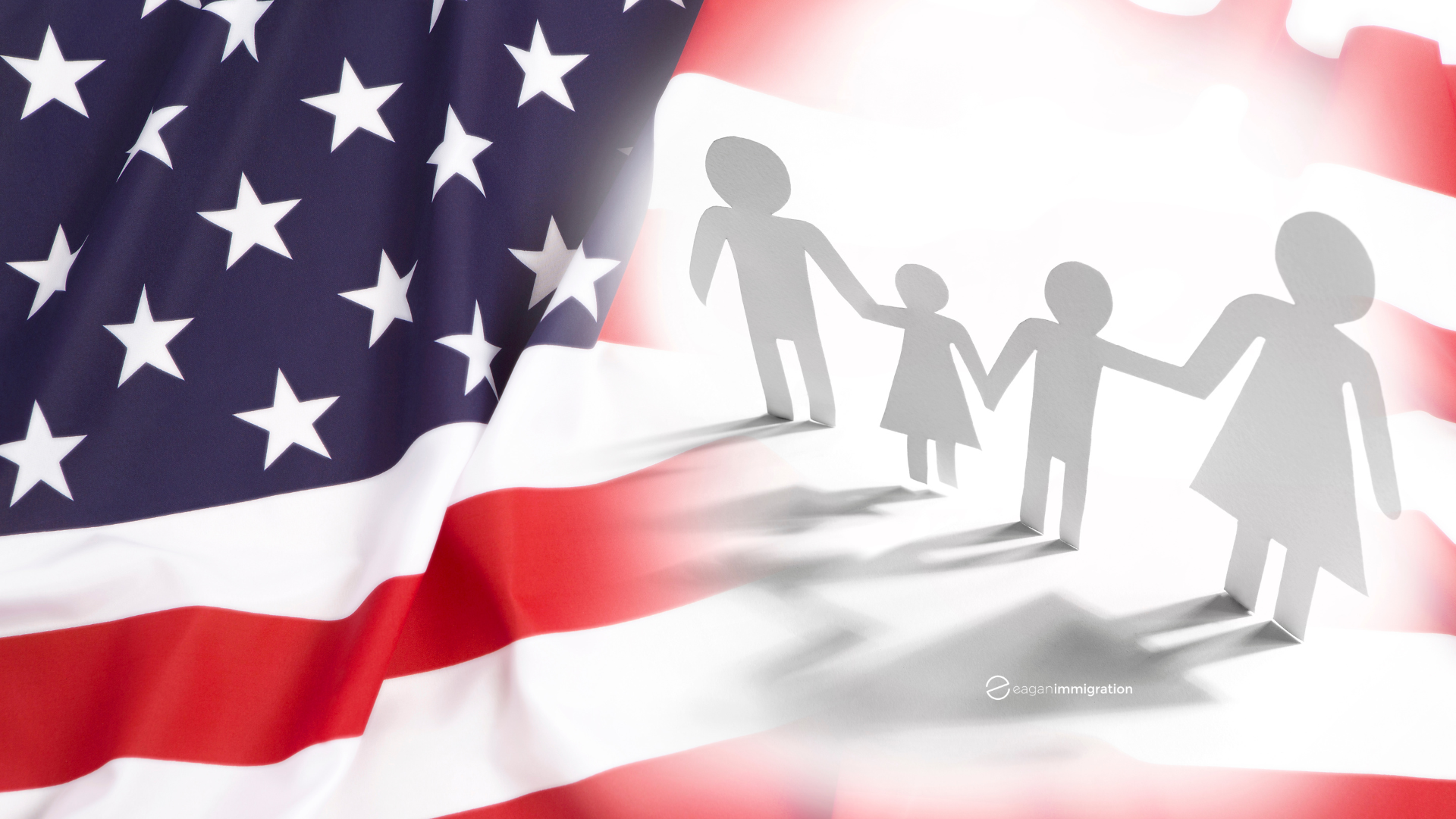
Is birthright citizenship still guaranteed in the United States? That question, once thought settled by the 14th Amendment, has been thrust into uncertainty by a new executive order issued on the first day of President Trump’s return to office. The order challenges a fundamental principle of U.S. law: that any child born on U.S. soil is automatically a citizen, regardless of their parents’ immigration status.
In response, 22 states filed lawsuits to block the order leading to a pivotal Supreme Court decision that now leaves millions of immigrant families confused and concerned. The ruling has created a divided reality: babies born in some states remain protected, while those born in others may be denied basic citizenship rights like a birth certificate or Social Security number.
In this post, we break down what’s happening, what the Supreme Court decided, which states are affected, and, most importantly, what you need to do if you or someone you love is expecting a child in the United States in the coming weeks.
-
Trump’s Executive Order vs. the 14th Amendment
-
Legal Pushback: Who Filed Suit?
- Arizona
- California
- Colorado
- Connecticut
- Delaware
- Hawaii
- Illinois
- Maine
- Massachusetts
- Michigan
- Minnesota
- New Jersey
- New Mexico
- New York
- Oregon
- Pennsylvania
- Rhode Island
- Vermont
- Washington
- Wisconsin
- Plus Washington, D.C.
-
Supreme Court Ruling — Limited Injunctions
- What This Affects in the Real World
- In the 22 states (plus D.C.): Babies born there remain U.S. citizens, enjoying birth certificates, Social Security numbers, Medicaid, SNAP, etc.
- In the 28 other states: After a 30-day grace period (until ~July 27, 2025), the executive order could be enforced unless:
- A class-action lawsuit is filed and certified;
- You actively join it; and
- A judge issues a new injunction.
- What Parents Should Do Now
- Confirm your state: Is it one of the 22 that sued?
- Speak with a qualified immigration attorney before or soon after giving birth.
- Stay informedcases are still pending in lower courts that may expand protections
-
Groups File Nationwide Class-Action Lawsuit Over Trump Birthright Citizenship Order
7. Why This Ruling Matters
This patchwork ruling disrupts the certainty of birthright citizenship (birthright citizenship). Two children born in the same hospital could have different legal outcomes based solely on state lines or legal access. This threatens the principle of equality guaranteed by the Constitution.Bottom Line for Expecting Parents
If you’re undocumented or on a visa and expecting a baby in the U.S., your child’s citizenship and their future may depend on where and when they’re born.- In one of the 22 states that sued → citizenship protected.
- In one of the other 28 states Act now to ensure your baby’s rights.